
2.5–10 MW · 6/10/35 kV
Central power conversion blocks, PCS 2.5–10 MW
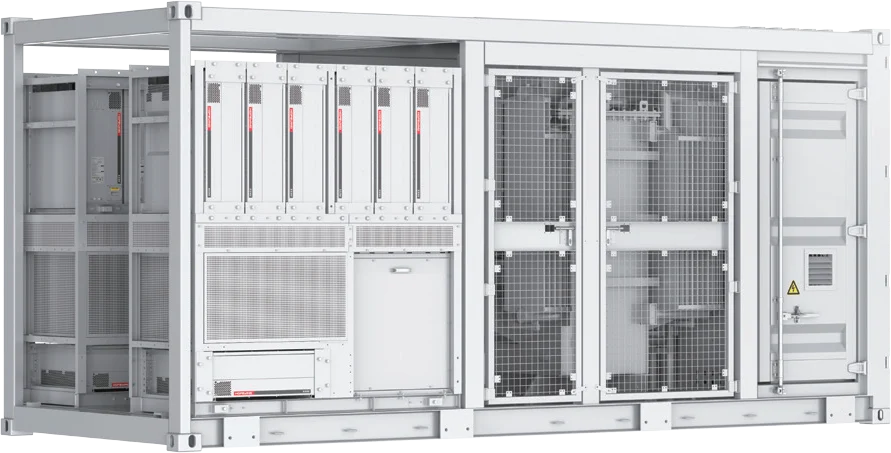
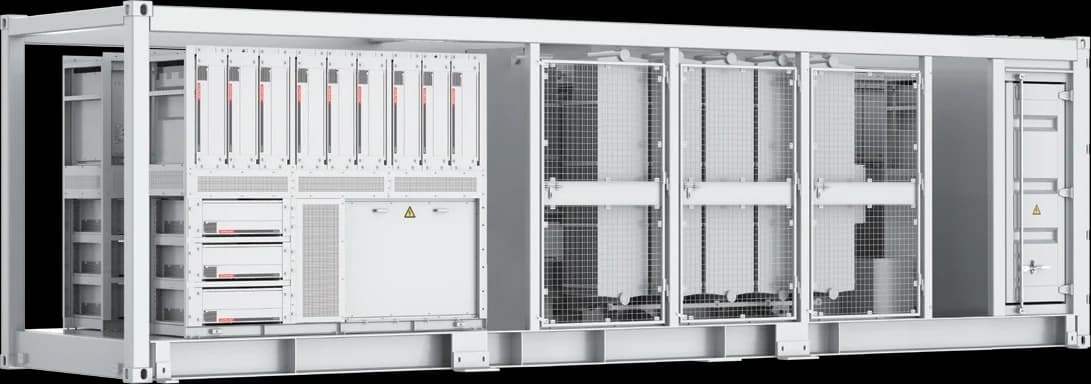
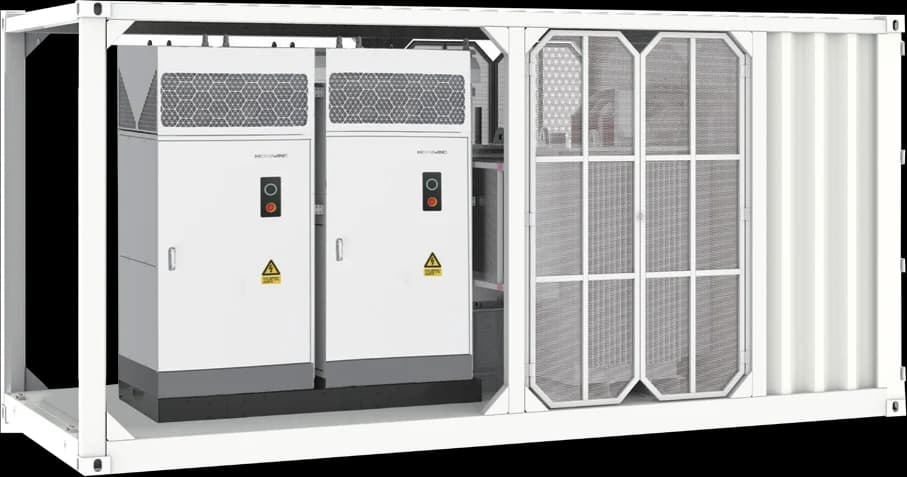
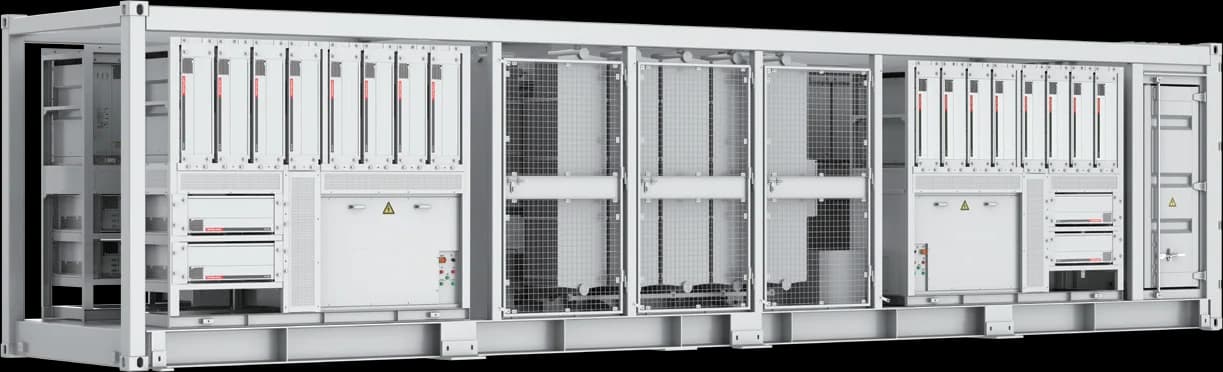
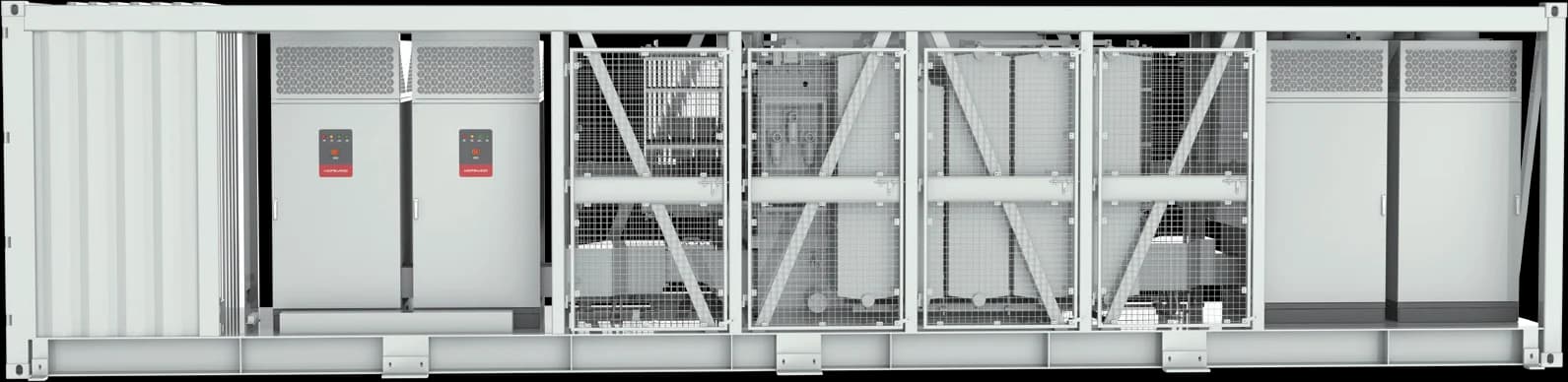
The power stage of a grid storage system: bidirectional conversion, connection of battery containers to a medium-voltage network, galvanic isolation by transformer.
5 catalogue items in stock and to order
What matters before you select
A PCS (Power Conversion System) is the block through which battery containers work onto a 6, 10 or 35 kV network. It sets the power of the system, the quality of the energy delivered and how quickly the storage responds to load surges and rejections.
Designs with an isolation transformer (SP series) are used in most grid projects; liquid-cooled designs (CP) are used where high power density per unit area is needed. How many blocks and at what rating is decided together with the battery side: splitting into several smaller blocks gives redundancy, a single large one saves space and cost.
Frequently asked questions
How does a PCS differ from an ordinary inverter?
A PCS works in both directions: it charges the battery from the grid and exports energy back, controlling active and reactive power. It is built for continuous cycling and for operation under dispatch control, not just for one-way conversion.
Is a separate transformer required?
In the SP series the isolation transformer is already part of the block. For liquid-cooled designs the arrangement is selected to match the site connection scheme.
We will size it for the task
Send a single-line diagram or a list of loads with the required duration — we will return a calculation with layout options, dimensions and requirements for the room.