
We do not “sell batteries” — we remove the risk of losing power
The same equipment solves different problems in a data centre, at a substation and on a drilling site. Below is a breakdown by industry: what hurts there, what we install and what to look at when selecting.
Data centres and IT
The problem
One second without power on a rack costs you the SLA and the data.
What we install
Lithium batteries 384–614 V for the UPS, storage to absorb AI-load surges, monitoring of every cell.
- 6C batteries for short discharges
- Storage 100–1000 kW
- BMS with life diagnostics

Power grid
The problem
Lead in substation DC systems: short life, invisible state of health, a room of its own.
What we install
Lithium batteries in the 220 V class for DC switchboards, retrofit diagnostics of existing strings, a digital logbook.
- Batteries 224 V 100 Ah
- DC-system diagnostics module
- IEC 61850 out of the box
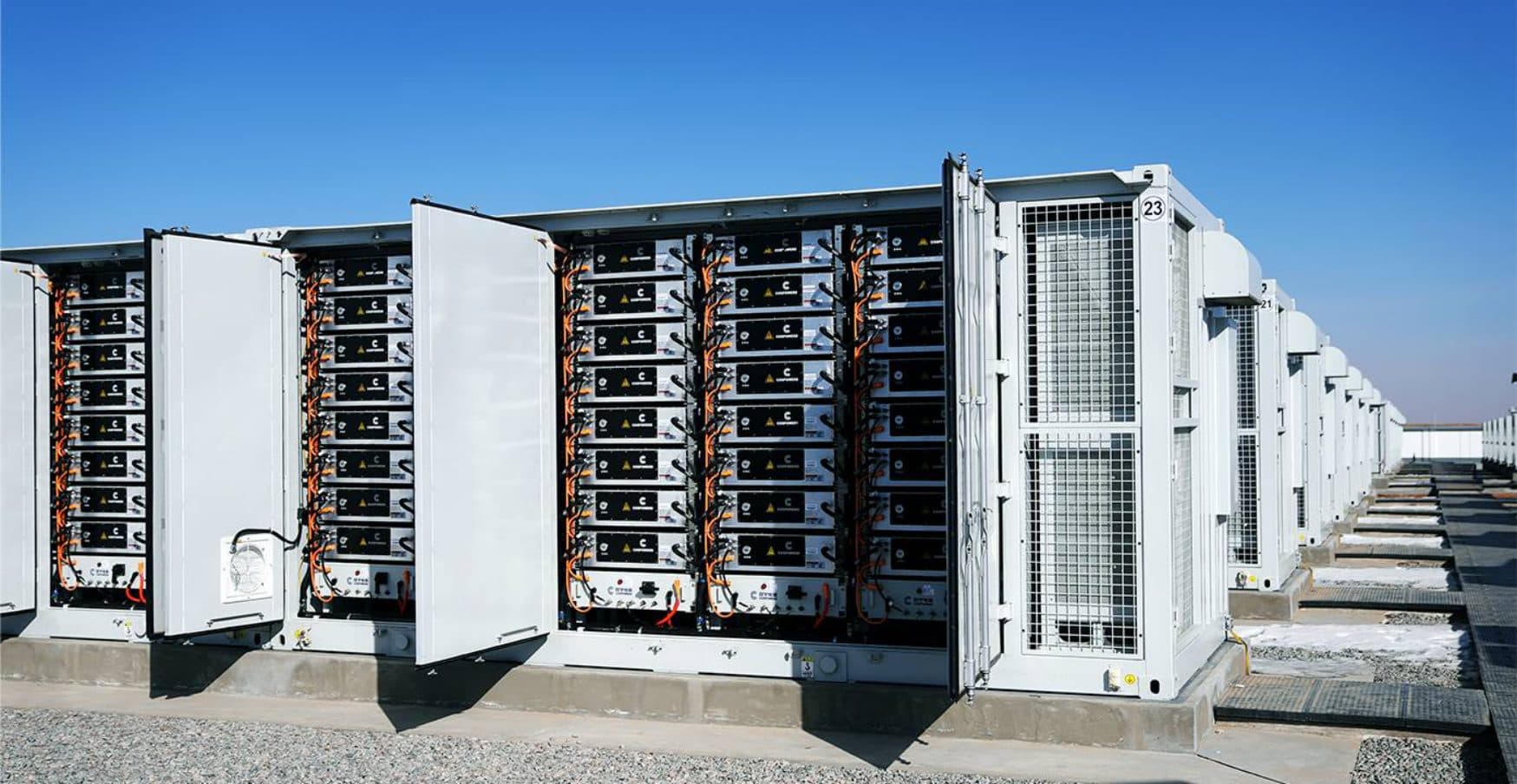
Industry and mining
The problem
Voltage dips stop the process, and a restart costs a full shift.
What we install
Industrial UPS and storage at 400/690/800 V, peak shaving, surge compensation.
- Storage 420 kW / 835 kWh
- PCS 2.5–10 MW
- Cabinet storage 30–250 kWh
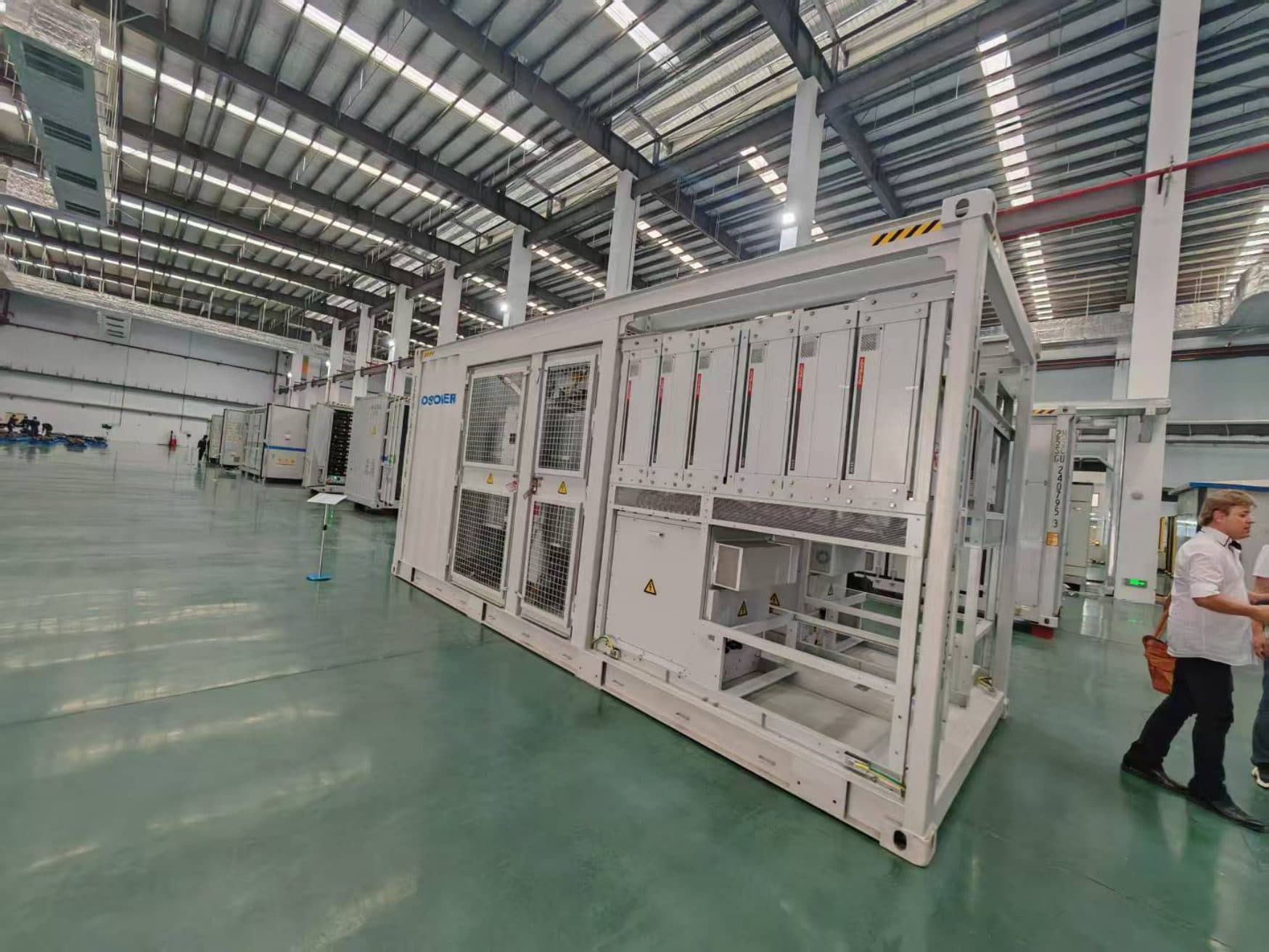
Oil, gas and remote sites
The problem
Power from gensets, no grid connection, temperatures down to −40 °C.
What we install
Sodium-ion and cold-rated lithium batteries, containerised storage in insulated enclosures.
- Na-ion container 2418 kWh
- Storage in an insulated container
- Hybrid genset + storage
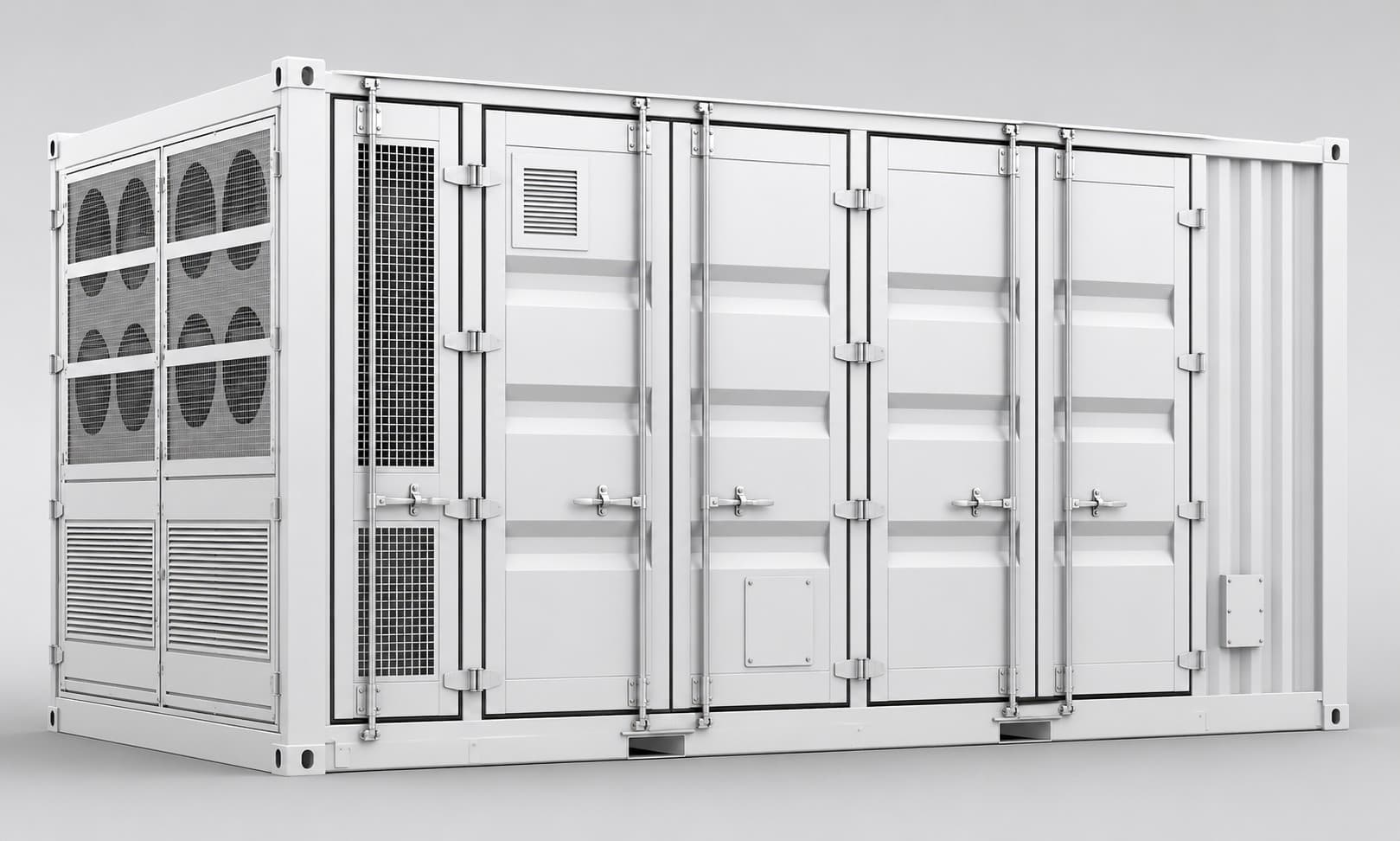
Telecom
The problem
Thousands of base stations, and lead dies quietly and without warning.
What we install
Rack batteries 48 V in 2U–5U, DC controller, remote fleet monitoring.
- Batteries 48 V 50–300 Ah
- Liquid cooling for hot climates
- Fleet monitoring
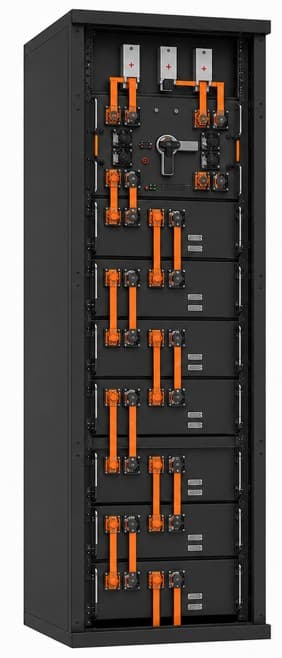
Generation and energy centres
The problem
Load surges outrun the gas engines; an engine trip becomes a real risk.
What we install
Storage at 10/35 kV through a PCS: surge pick-up, load-rejection compensation, load sharing, frequency stabilisation.
- PCS 2.5 / 5 / 7.5 / 10 MW
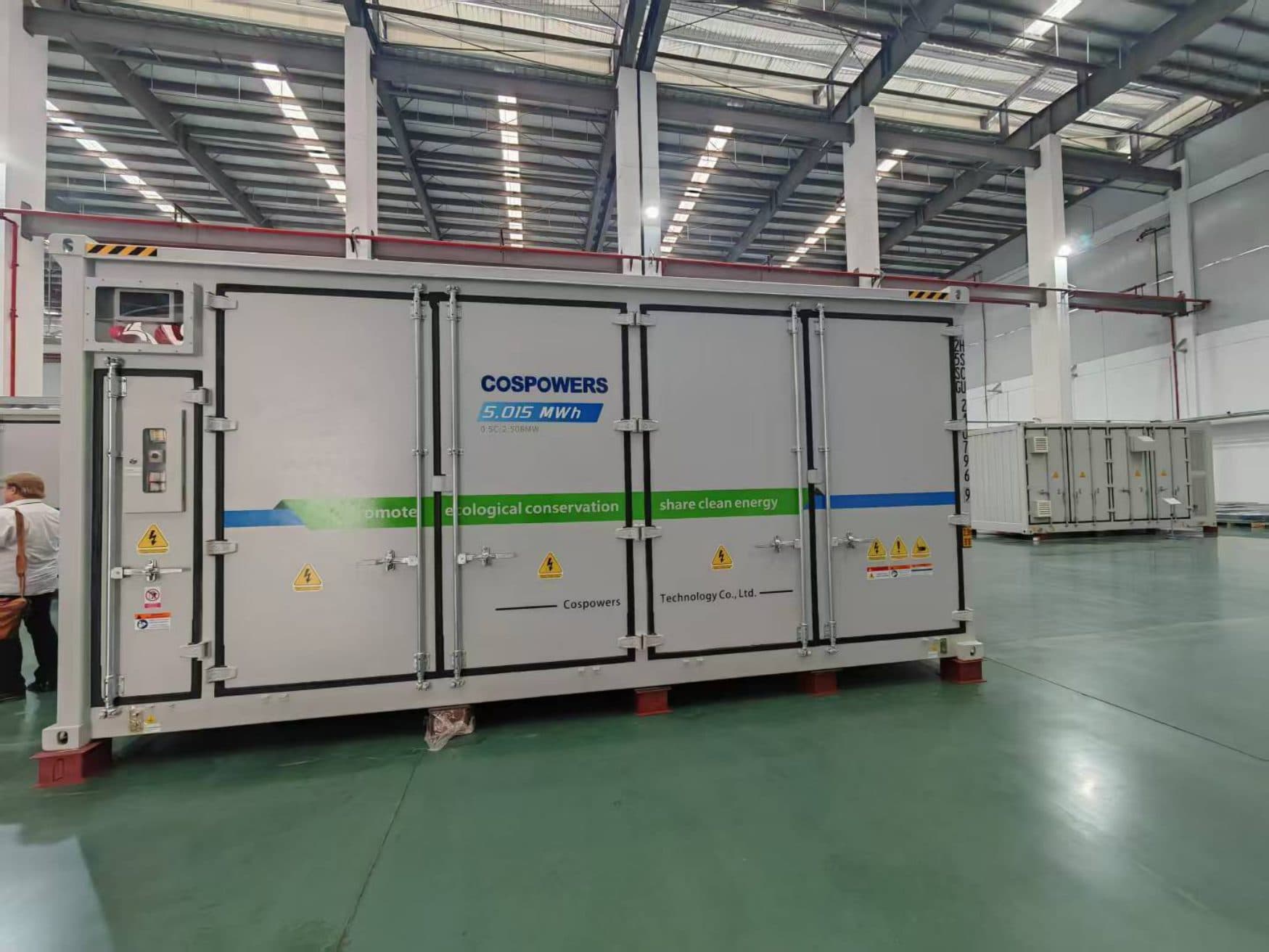
- Containers 2.2–5 MWh
- EMS with a dispatch loop
Full cycle — one contract and one point of responsibility
We cover the whole path: from surveying the site to scheduled maintenance. The customer does not have to stitch together a designer, a supplier and installers.
Engineering audit
We survey the site and the existing power infrastructure: load category, power quality, condition of the existing battery strings, space and climate constraints.
Sizing and design
We size the battery to the real discharge profile and prepare the diagram, layout and requirements for the room. You get several options with different ownership economics.
Supply and installation
Delivery from our Moscow stock or to order, transport to site, installation by our crews or installation supervision.
Commissioning and training
Commissioning, integration into the site SCADA and monitoring system, training for the operating staff.
Service and monitoring
Warranty and post-warranty service, remote condition monitoring, replacement planning based on actual service life.
Lead-to-lithium replacement
Retrofit of existing sites: replacement calculation, compatibility with UPS and chargers, disposal of the old strings.

How the work runs
Engineering audit
We go through the specification and the site: load category, required autonomy, operating conditions, what is already installed.
Sizing and selection
We size the battery against the real discharge profile — not “with a margin, by eye”. You get 2–3 options with different economics.
Supply and commissioning
Delivery from stock or to order, installation, commissioning, training for your operations team.
Service and monitoring
Warranty and post-warranty service, remote condition monitoring, replacements scheduled on actual condition.
Site energy audit — free of charge
Give us a single-line diagram or a list of loads — we will return a calculation with layout options, dimensions and requirements for the room. Usually 3–10 working days.
Just browse the catalogue for now